Dr Timothy Francis – Enhancing Wellness Through Comprehensive Care Approaches
Comprehensive wellness care goes beyond treating individual symptoms; it focuses on understanding the complete health profile of a patient. This approach…

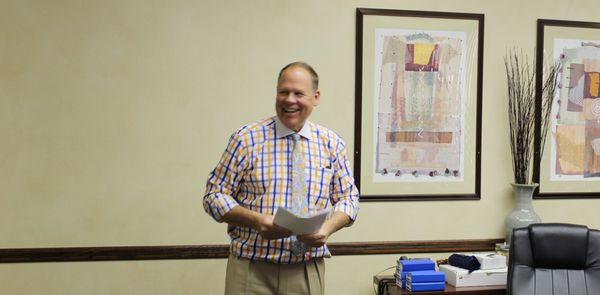
Comprehensive wellness care goes beyond treating individual symptoms; it focuses on understanding the complete health profile of a patient. This approach integrates physical, emotional, and lifestyle factors to create a balanced and sustainable path to well-being. By addressing multiple dimensions of health, practitioners can deliver more effective and lasting results. In this context, Dr Timothy Francis exemplifies how a comprehensive care model can transform patient experiences and outcomes.
Wellness is not a one-size-fits-all concept. Each individual requires a tailored approach that considers their unique health history, habits, and goals. Comprehensive care ensures that all these elements are evaluated, leading to more precise and personalized treatment strategies. This method promotes not only recovery but also long-term health maintenance.
How Do Integrated Therapies Improve Patient Outcomes?
Integrated therapies are a key component of comprehensive care, combining different treatment methods to address a wide range of health concerns. By blending techniques such as chiropractic care, movement-based therapies, and natural health practices, healthcare providers can create a more complete treatment plan.
In the middle of this integrated approach, Dr Timothy Francis demonstrates how combining multiple disciplines can enhance patient outcomes. By carefully selecting and coordinating therapies, he ensures that each aspect of a patient’s condition is addressed. This leads to improved mobility, reduced discomfort, and better overall health.
Integrated therapies also allow for flexibility in treatment. As patients progress, their care plans can be adjusted to reflect their changing needs. This adaptability ensures that treatments remain effective and aligned with long-term wellness goals.
Why Is Prevention a Core Element of Wellness?
Prevention plays a central role in comprehensive care, emphasizing the importance of maintaining health rather than simply reacting to illness. By identifying potential risks early, practitioners can implement strategies that help patients avoid more serious conditions.
Preventive care includes regular assessments, lifestyle guidance, and education. Patients are encouraged to adopt habits that support their health, such as proper posture, regular movement, and balanced nutrition. This proactive approach reduces the likelihood of recurring issues and promotes overall well-being.
Additionally, prevention empowers patients to take control of their health. When individuals understand how their choices impact their well-being, they are more likely to make informed decisions that support long-term wellness. This sense of responsibility strengthens the patient-provider relationship and enhances treatment effectiveness.
What Does the Future Hold for Comprehensive Wellness Care?
The future of wellness care is increasingly focused on integration, personalization, and innovation. As healthcare continues to evolve, comprehensive approaches are expected to become more widely adopted. Advances in technology will provide better tools for monitoring and assessing patient health, allowing for more precise and effective treatments.
Collaboration among healthcare professionals will also play a significant role. By working together across disciplines, practitioners can deliver more holistic and coordinated care. This teamwork ensures that patients receive well-rounded treatment that addresses all aspects of their health.
In this forward-looking environment, the contributions of Dr Timothy Francis highlight the value of comprehensive care approaches. His commitment to integrating multiple therapies and focusing on patient-centered solutions demonstrates how wellness can be enhanced through thoughtful and innovative practices. By prioritizing prevention, personalization, and continuous improvement, he continues to shape a model of care that supports lasting health and overall well-being.