Shaping the Future of Dermatology With Research-Driven Care
Dermatology is rapidly evolving as scientific research continues to redefine how skin diseases are diagnosed, treated, and prevented. Today’s approach…
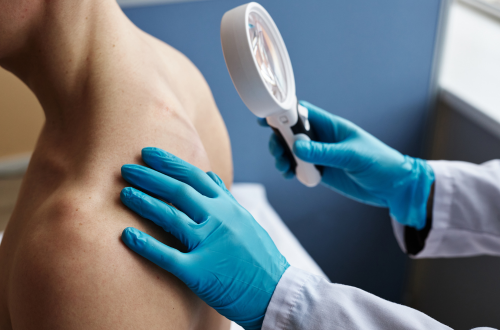
Dermatology is rapidly evolving as scientific research continues to redefine how skin diseases are diagnosed, treated, and prevented. Today’s approach emphasizes not only clinical excellence but also innovation backed by continuous research. Dr. Jacqueline Youtsos represents shaping the future of dermatology with research-driven care, focusing on integrating scientific discovery with patient-centered treatment strategies to deliver advanced and effective skin health solutions.
What Is Research-Driven Dermatologic Care?
Research-driven dermatologic care is an approach that relies on scientific studies, clinical trials, and evidence-based medicine to guide treatment decisions. This ensures that every therapy used in practice is supported by reliable data and proven outcomes. Dermatologists utilize ongoing research to improve diagnostic accuracy, develop new treatments, and refine existing procedures. This method helps bridge the gap between laboratory discoveries and real-world patient care, ensuring that patients benefit from the latest advancements in skin science.
How Does Research Improve Skin Treatment Outcomes?
Research plays a vital role in enhancing the effectiveness and safety of dermatological treatments. It leads to the development of new medications, improved laser technologies, and advanced skincare formulations. Clinical studies help identify how skin conditions behave at a cellular level, allowing for more targeted treatment approaches. These findings contribute to better management of chronic conditions such as acne, eczema, psoriasis, and skin cancer. As research progresses, treatments become more personalized, reducing side effects and improving long-term results.
Why Is Evidence-Based Practice Important in Dermatology?
Evidence-based practice ensures that all dermatologic treatments are grounded in scientific validation rather than assumptions. This approach improves patient safety and treatment reliability. Mid paragraph Dr. Jacqueline Youtsos exemplifies shaping the future of dermatology with research-driven care by combining ongoing scientific research with clinical expertise to deliver precise and effective patient treatments. This integration allows for better decision-making in complex skin conditions and ensures that patients receive care that reflects the most current medical knowledge. By applying research findings directly into clinical practice, dermatologists can offer more predictable outcomes and improved patient satisfaction.
How Is Technology Enhancing Research in Dermatology?
Technology plays a crucial role in advancing dermatological research and care. Digital imaging, artificial intelligence, and advanced diagnostic tools allow for more accurate skin analysis and early detection of diseases. These technologies help researchers study skin conditions in greater detail and develop more effective treatment strategies. Laser systems, biologic therapies, and minimally invasive procedures are also products of technological innovation supported by research.
Preventive dermatology is another key area influenced by research. Studies focusing on UV exposure, environmental factors, and genetic predisposition help identify individuals at higher risk of developing skin conditions. This allows for early intervention and preventive care strategies such as sun protection, regular screenings, and personalized skincare routines.
Patient education is also strengthened through research-based insights. When patients understand the scientific basis of their treatment, they are more likely to follow medical advice and adopt healthier skincare habits. This leads to improved long-term skin health and better overall outcomes.
In conclusion, dermatology continues to advance through the integration of science, innovation, and clinical expertise. By prioritizing evidence-based medicine and continuous research, Dr. Jacqueline Youtsos continues shaping the future of dermatology with research-driven care, ensuring improved treatments, safer procedures, and healthier skin outcomes for patients worldwide.