Anak Krakatau Eruption: Worst Impact on Indonesian Airports
Anak Krakatau eruption has caused major disruptions, stranding thousands and closing airports across Indonesia.
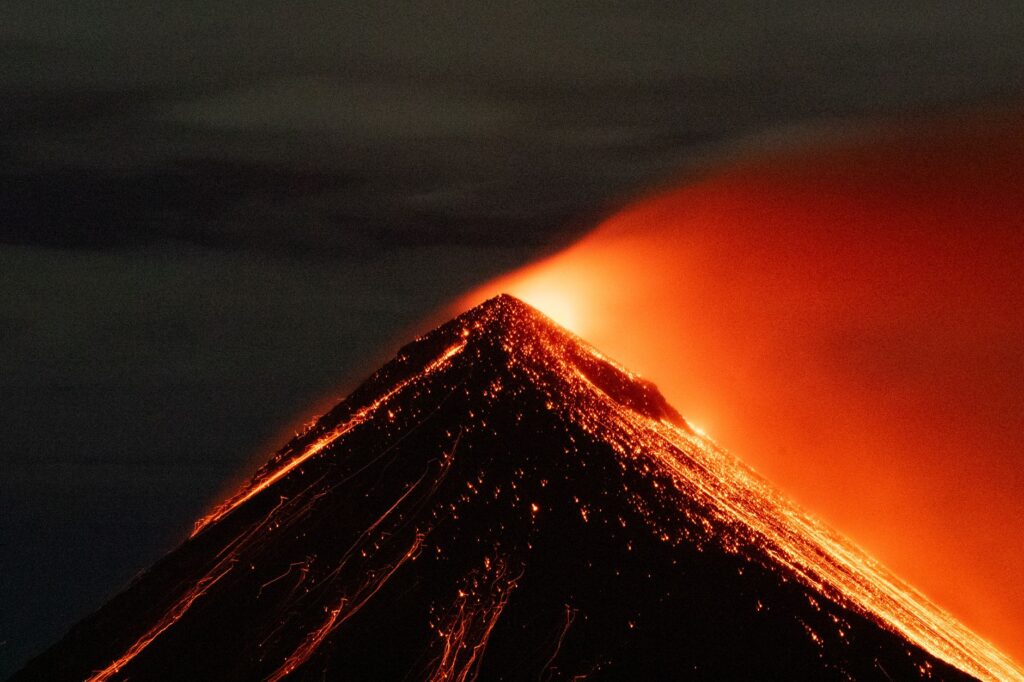
Anak Krakatau eruption has left thousands stranded as airports across Indonesia shut down, creating a travel crisis for many.
What Happened During the Anak Krakatau Eruption?
The recent eruption of Anak Krakatau has caused significant disruptions across Indonesia, particularly affecting air travel. The volcanic activity, which began with a series of powerful explosions, sent ash plumes soaring into the atmosphere and resulted in widespread flight cancellations.
As a result, thousands of travelers found themselves stranded at various airports, unable to reach their destinations. The impact was felt most acutely in regions closest to the volcano, where local authorities were forced to close airports in precautionary measures. Key airports such as Soekarno-Hatta International Airport in Jakarta and various regional airports were severely affected.
Airlines scrambled to rebook passengers, but the sheer volume of cancellations led to long queues and frustrated travelers. Many were left searching for alternative routes, while others were forced to wait for updates on when flights would resume.
In light of the Anak Krakatau eruption, authorities have urged the public to stay informed about the safety measures in place and to heed announcements regarding air travel. As the situation develops, the focus remains on ensuring the safety of all individuals affected by this natural disaster.
Impact on Local Communities
The recent Anak Krakatau eruption has had devastating effects on local communities, particularly those living near the coast. With airports across Indonesia closing down, thousands of people found themselves stranded, unable to return home or reach their desired destinations.
Residents in affected areas have reported a range of challenges stemming from the eruption. Key impacts include:
- Disruption of Daily Life: Many locals rely on air travel for commuting to work or accessing essential services, and the airport closures have thrown their routines into disarray.
- Economic Hardship: Small businesses that depend on tourism have seen a sharp decline in customers, impacting their revenue and putting jobs at risk.
- Health Concerns: The ash fallout from the eruption poses health risks, with many residents experiencing respiratory issues due to the volcanic dust.
- Emergency Response Strain: Local authorities are stretched thin as they work to assist those affected by the eruption, further complicating the situation.
As recovery efforts continue, the long-term effects of the Anak Krakatau eruption on local communities remain a pressing concern, highlighting the need for comprehensive disaster preparedness and response strategies.
Travel Advice for Stranded Passengers
As the situation unfolds following the Anak Krakatau eruption, many travelers find themselves stranded due to the closure of multiple Indonesian airports. Authorities recommend that passengers take several precautions to ensure their safety and well-being during this challenging time.
- Stay Informed: It is crucial to keep updated with the latest news regarding flight schedules and airport operations. Airlines are providing information through their websites and social media channels.
- Contact Airlines: Passengers should reach out to their airlines for assistance. Many carriers are offering flexible rebooking options for those affected by the disruptions caused by the Anak Krakatau eruption.
- Alternative Transportation: For those looking to leave affected areas, consider exploring land or sea travel options where feasible. Be sure to check local transportation services for availability.
- Accommodations: If stranded, securing a place to stay is vital. Many hotels in the vicinity are extending their services to accommodate affected travelers, so contacting local establishments can help.
- Stay Calm: While the situation is understandably stressful, remaining calm and patient will help passengers navigate their options more effectively.
Travelers are urged to prioritize their safety and stay connected with relevant authorities throughout this ongoing situation.
Government Response to the Eruption
The Indonesian government has mobilized its resources in response to the recent Anak Krakatau eruption, which has significantly disrupted air travel across the nation. Authorities are focused on ensuring the safety of citizens and travelers affected by the ongoing situation.
In coordination with the National Disaster Mitigation Agency (BNPB), the government has implemented several measures:
- Emergency Response Teams: Deployed to assess the situation and provide immediate assistance to those in need.
- Evacuation Plans: Established for residents living near the volcano, ensuring their safety from potential hazards.
- Monitoring Volcanic Activity: Increased surveillance of Anak Krakatau’s activity to keep the public informed about any further eruptions.
- Communication Channels: Enhanced to provide timely updates to travelers and locals on airport statuses and safety protocols.
The government has also urged airlines to prioritize the safety of passengers, leading to numerous flight cancellations and delays. With thousands stranded at airports, officials are working tirelessly to facilitate alternative transportation and accommodations. The Anak Krakatau eruption has highlighted the importance of preparedness and swift action in crisis situations, as authorities strive to mitigate the impact on affected individuals.
Historical Context of Anak Krakatau
The Anak Krakatau volcano, which translates to “Child of Krakatoa,” is part of a volcanic island chain in Indonesia that has a storied history of eruptions. Its most significant eruption occurred in December 2018, resulting in a deadly tsunami that claimed hundreds of lives and altered the landscape dramatically. This eruption was a reminder of the volcano’s potential for catastrophic events.
Located in the Sunda Strait, Anak Krakatau emerged from the sea in 1927, following the catastrophic eruption of its predecessor, Krakatoa, in 1883. The eruption of Krakatoa was one of the most violent volcanic events in recorded history, drastically affecting global climate and air travel for years. The recent Anak Krakatau eruption has reignited concerns about the volcano’s activity and its impact on surrounding areas.
Historically, the region has experienced frequent volcanic activity, making it imperative for communities and authorities to remain vigilant. The Indonesian government has established monitoring systems to provide early warnings and mitigate risks associated with eruptions. However, the recent eruption has tested these systems, leading to airport closures and leaving thousands stranded, highlighting the ongoing threat posed by Anak Krakatau and the need for preparedness in the face of natural disasters.
Safety Measures for Future Eruptions
In light of the recent Anak Krakatau eruption, authorities are emphasizing the importance of implementing rigorous safety measures to better prepare for future volcanic events. The eruption has prompted a reevaluation of current protocols in order to safeguard both residents and travelers.
Key safety measures being considered include:
- Enhanced Monitoring Systems: Investing in advanced technology to monitor volcanic activity in real-time can help provide early warnings to nearby communities and travelers.
- Evacuation Plans: Developing and regularly updating comprehensive evacuation plans will ensure that residents and tourists can be swiftly moved to safety when necessary.
- Public Awareness Campaigns: Educating the public about the risks associated with volcanic eruptions and the specific actions to take can significantly mitigate panic and confusion during an emergency.
- Collaboration with Airlines: Working closely with airlines to establish clear protocols for flight cancellations and rebooking can aid stranded passengers during such events.
As the Anak Krakatau eruption has highlighted, the need for preparedness and timely response is critical. Authorities are committed to learning from this experience to prevent future disruptions and ensure the safety of all individuals affected by volcanic activities.
Global Reactions to the Eruption
The recent Anak Krakatau eruption has not only affected local communities but has also drawn international attention and reactions. Countries across the globe have expressed their concern over the impact of the eruption on air travel and safety.
In the wake of the eruption, several nations issued travel advisories for Indonesia, urging their citizens to avoid the region until the situation stabilizes. The aviation industry has responded with caution, as many airlines suspended flights to and from affected airports, leading to thousands of stranded passengers.
Global organizations, including the United Nations, have offered assistance to Indonesia, emphasizing the need for disaster management and recovery efforts. Experts from various countries have been monitoring the situation closely, sharing data and insights to help mitigate risks associated with volcanic eruptions.
The scientific community has also reacted, with researchers voicing the importance of studying the Anak Krakatau eruption to better understand volcanic behavior and its implications for surrounding ecosystems. This incident has sparked discussions about the need for enhanced monitoring systems and preparedness in volcanic regions worldwide.
As the situation unfolds, the international community remains watchful, ready to support Indonesia in its recovery and response efforts.
How to Stay Informed During Natural Disasters
Staying informed during natural disasters like the Anak Krakatau eruption is crucial for ensuring personal safety and making informed decisions. Here are some effective ways to stay updated:
- Official Government Alerts: Follow local government agencies and disaster management organizations on social media or their official websites for real-time updates on the situation.
- News Outlets: Tune into reputable news channels and websites that provide ongoing coverage of the eruption and its effects.
- Mobile Apps: Utilize mobile applications dedicated to weather alerts and emergency notifications. Many apps offer push notifications for significant events, including volcanic activity.
- Community Networks: Engage with community groups on social media platforms to share information and updates with fellow residents. Local residents often have firsthand information about conditions in their areas.
- Emergency Services: Keep emergency contact numbers handy, including local fire and police departments, in case of urgent situations.
By taking these proactive steps, individuals can remain aware of developments related to the Anak Krakatau eruption and better prepare for any necessary actions in response to the unfolding crisis.
Photo by Diego Girón on Pexels