ABS Plastic: A Data-Driven Insight into Acrylonitrile Butadiene Styrene and Its Industrial Importance
ABS plastic, short for Acrylonitrile Butadiene Styrene, is a widely used engineering thermoplastic known for its strength, toughness, and versatility. It…

ABS plastic, short for Acrylonitrile Butadiene Styrene, is a widely used engineering thermoplastic known for its strength, toughness, and versatility. It is commonly found in automotive parts, electronics housings, toys, and consumer appliances. Due to its balanced mechanical and physical properties, ABS has become a key material in modern manufacturing systems where durability and performance are essential.
What is ABS plastic and why is it widely used?
ABS plastic is a thermoplastic polymer made by combining three monomers: acrylonitrile, butadiene, and styrene. Each component contributes specific properties that make the material highly functional.
Acrylonitrile provides chemical resistance and thermal stability, butadiene adds toughness and impact resistance, while styrene gives rigidity and a smooth surface finish. This combination results in a strong yet lightweight material suitable for various industrial applications.
Because of this balanced structure, ABS is widely used in manufacturing products that require both durability and aesthetic quality.
What are the key properties of ABS plastic?
ABS plastic is known for its high impact resistance, strength, and dimensional stability. It performs well under stress and can withstand physical shocks without cracking easily.
It also offers good heat resistance and maintains structural integrity under moderate temperatures. In addition, ABS has a smooth surface finish that makes it suitable for products requiring visual appeal, such as consumer electronics and household items.
These properties make it a preferred material in industries where both functionality and appearance matter.
Where is ABS plastic commonly used?
ABS plastic is used in a wide range of industries due to its versatility. In the automotive sector, it is used for dashboards, interior trims, and protective components. In electronics, it is used for computer housings, keyboard frames, and appliance covers.
It is also widely used in consumer goods such as luggage, toys, and kitchen appliances. Its ease of molding allows manufacturers to create complex shapes efficiently, supporting mass production systems.
Why is ABS plastic considered a cost-effective material?
ABS plastic is considered cost-effective because it combines strong performance with relatively low production costs. It can be easily processed using common manufacturing methods such as injection molding and extrusion.
Its durability also reduces replacement frequency, which lowers long-term product costs. This balance of affordability and performance makes it a popular choice across global manufacturing industries.
How does ABS plastic perform in industrial environments?
ABS plastic performs well in industrial environments due to its mechanical strength and resistance to wear. It can handle repeated stress and moderate impacts without losing structural integrity.
It also offers good resistance to chemicals, oils, and environmental exposure, making it suitable for both indoor and outdoor applications. This reliability contributes to its widespread use in engineering and production systems.
Is ABS plastic recyclable?
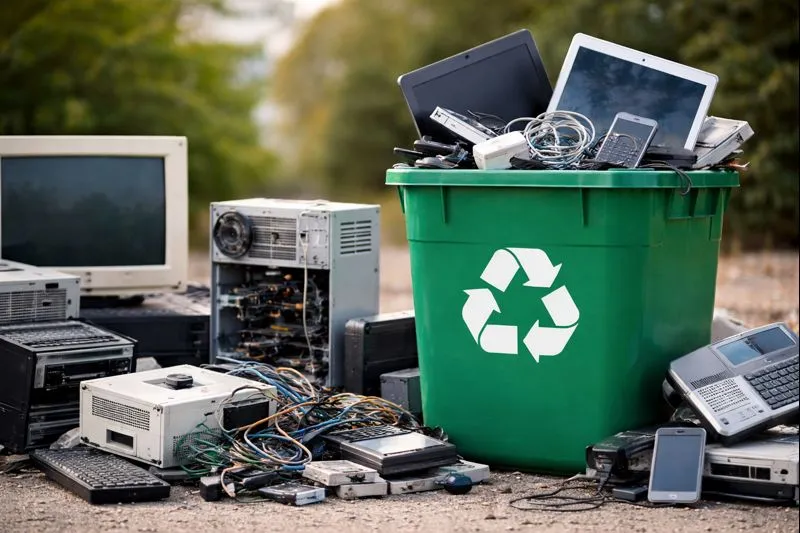
ABS plastic is recyclable, although the process requires careful sorting and processing due to its composite nature. It can be ground, melted, and reformed into new plastic products.
Recycled ABS is commonly used in items such as industrial components, consumer goods, and automotive parts. While recycling can be technically complex, it provides clear environmental benefits by reducing waste and conserving resources.
What are the environmental considerations of ABS plastic?
ABS plastic is not biodegradable, which means it can remain in the environment for long periods if not properly managed. However, its recyclability helps reduce environmental impact when proper waste systems are in place.
Efficient recycling and reuse systems play an important role in minimizing waste accumulation and supporting sustainable material management practices.
What is the future outlook for ABS plastic?
The future of ABS plastic is expected to focus on improved recycling technologies and more sustainable material design. Innovations in polymer processing are enhancing material recovery and reuse efficiency.
There is also increasing interest in developing modified ABS grades with improved environmental performance and reduced carbon impact. These advancements will help ABS remain relevant in sustainable industrial systems.
Conclusion
ABS plastic is a highly versatile engineering material that plays a significant role in modern manufacturing. Its combination of strength, durability, and processability makes it suitable for a wide range of applications across industries. While environmental challenges exist, recycling and technological improvements are helping make ABS more sustainable. With continued innovation, ABS plastic will remain an important material in both industrial growth and resource-efficient production systems.