MDF Sheets Cut Easily for Custom Projects and Panels
Medium Density Fibreboard (MDF) is a go-to material for many woodworking, crafting, and home renovation projects due to its ease of customization and…
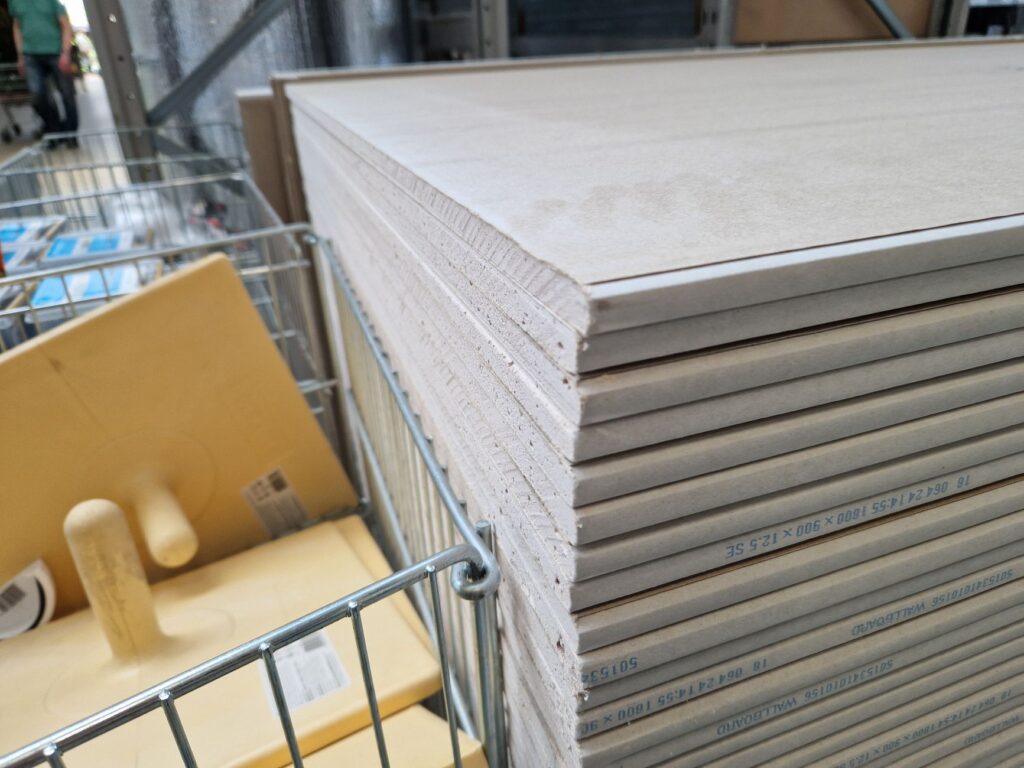
Medium Density Fibreboard (MDF) is a go-to material for many woodworking, crafting, and home renovation projects due to its ease of customization and reliable consistency. One of the standout features of mdf sheetsis how easily they can be cut and shaped to suit any number of designs. Whether you’re working on decorative wall panels, shelving, cabinetry, or artistic crafts, MDF offers the versatility and workability needed to bring custom ideas to life.
Consistent Density for Precise Cutting
One of the reasons MDF cuts so smoothly is its uniform structure. Unlike natural wood, which contains knots, grain variation, or internal defects, MDF is manufactured from fine wood fibers compressed with resins under high pressure. The result is a board with even density from edge to edge. This consistent makeup allows saw blades to pass through without resistance, splintering, or uneven surfaces, making it ideal for intricate cuts or shaped profiles.
Contractors and DIYers alike appreciate how MDF performs with both hand tools and power tools. Whether using a jigsaw for curved designs, a circular saw for straight cuts, or a router for detailed edges, MDF’s smooth response allows for precise workmanship.
Ideal for Custom Sizing and Shapes
Many custom projects require materials that can be easily resized or altered on-site. MDF sheets can be cut down to virtually any size without cracking or breaking. This is especially helpful for creating built-ins, wall cladding, or furniture pieces that must fit into irregular or tight spaces. Since the edges of MDF remain stable and clean after cutting, there’s no need for special treatment or excessive sanding before moving on to priming and painting.
For homeowners, this adaptability means custom window seats, shelving units, or feature walls can be made with confidence using MDF. It’s an efficient material choice when standard sizing just won’t work.
Supports Creative Detailing
Beyond straight and simple cuts, MDF is an excellent material for adding creative flair. Woodworkers often use MDF to craft detailed wall paneling, baseboards, and moldings because of how well it accepts routed edges and cutouts. Decorative patterns or layers can be added without the risk of damaging the material, which is not always possible with solid wood or plywood.
This makes MDF especially valuable for interior design features, such as wainscoting or geometric wall designs. Even hobbyists and artisans enjoy using smaller MDF offcuts for models, signs, and decorative items because of the ease with which they can shape it.
Cuts Cleanly With the Right Tools
To get the best cutting results, using sharp, carbide-tipped blades is recommended when working with MDF. While the material is easy to cut, it can be abrasive on tools over time due to the resin content. Proper dust extraction is also important, as MDF produces fine dust particles when cut.
Despite these considerations, MDF remains one of the easiest and most manageable engineered wood products to work with, especially for precise, tailored projects.
Conclusion
MDF sheets are a smart choice for anyone needing a material that cuts easily and cleanly. Their uniform structure, ability to handle detailed work, and compatibility with custom dimensions make them ideal for personalized furniture, home upgrades, and decorative elements. With MDF, achieving a custom look is both practical and cost-effective.